



Defining the right purity standard for 3-O-Ethyl-L-Ascorbic Acid is essential for formulation stability, regulatory confidence, and batch-to-batch consistency.
As a high-value cosmetic and functional raw material, purity affects performance, impurity exposure, and downstream manufacturing reliability.
This article explains expected purity levels, key quality indicators, and how qualified sourcing reduces compliance and production risk.
What purity is typically expected for 3-O-Ethyl-L-Ascorbic Acid?
For cosmetic and functional ingredient use, 3-O-Ethyl-L-Ascorbic Acid is commonly expected to reach high purity, often not less than 99%.
A lower specification may be unsuitable when the formula depends on brightening performance, color stability, and controlled impurity profiles.
However, purity should not be judged by one number alone. Test method, impurity limits, water content, and storage behavior also matter.
High-purity 3-O-Ethyl-L-Ascorbic Acid should be supported by a clear COA, validated analytical method, and consistent batch history.
In practical sourcing, a specification such as 99% HPLC is more meaningful when the chromatogram and method conditions are available.
Why does purity matter in cosmetic formulations?
3-O-Ethyl-L-Ascorbic Acid is valued because it is a stable vitamin C derivative used in skin-brightening and antioxidant formulations.
When purity is unstable, the final product may face color drift, odor change, reduced active content, or unexpected compatibility issues.
Impurities can also influence pH sensitivity, solubility, and long-term appearance in emulsions, serums, gels, and water-based systems.
For premium formulations, 3-O-Ethyl-L-Ascorbic Acid purity supports cleaner claims, better sensory stability, and fewer reformulation surprises.
- Higher active consistency supports predictable dosage design.
- Lower impurity load helps protect product aesthetics.
- Reliable assay data improves incoming quality control.
- Stable raw material quality reduces batch rejection risk.
Which quality indicators should be checked beyond purity?
A complete evaluation of 3-O-Ethyl-L-Ascorbic Acid should include identity, assay, related substances, moisture, appearance, and microbial limits.
The COA should identify the analytical method, testing date, batch number, manufacturing date, and retest or shelf-life information.
HPLC purity is important, but residual solvents and heavy metals may be critical for regulatory review in different markets.
Appearance should usually be a white or off-white crystalline powder, depending on the agreed specification and manufacturing process.
Solubility behavior should match the intended formulation system. Poor dispersion may create processing losses or uneven active distribution.
Is 99% purity always enough?
A 99% purity claim for 3-O-Ethyl-L-Ascorbic Acid can be suitable, but it is not automatically sufficient for every project.
The decision depends on formulation sensitivity, claim positioning, target market, packaging type, and expected shelf life.
For a simple rinse-off product, the requirement may differ from a transparent serum with strict color and odor expectations.
If the formula uses high levels of 3-O-Ethyl-L-Ascorbic Acid, small impurity differences may become more visible.
For export products, documentation quality may be as important as numerical purity during customer or regulatory review.
When should tighter specifications be considered?
- The finished product is positioned as a premium brightening serum.
- The formula requires excellent transparency and low discoloration.
- The market requires detailed safety and impurity documentation.
- The production process has narrow pH or temperature tolerance.
How should suppliers be evaluated for 3-O-Ethyl-L-Ascorbic Acid?
Supplier evaluation should combine technical documents, production consistency, communication speed, and traceability across multiple batches.
A qualified supplier should provide COA, MSDS, TDS, specification sheet, packaging details, and recommended storage conditions.
It is useful to request recent batch data for 3-O-Ethyl-L-Ascorbic Acid, not only a generic sample document.
Jinan Jianfeng Chemical Co., Ltd. was established in 2011 and focuses on research, development, and global supply.
Its product scope covers active ingredients, cosmetic raw materials, nutraceutical ingredients, plant extracts, functional ingredients, and vitamins.
This technical sourcing model helps support consistent quality control for high-value fine chemical raw materials.
The same documentation discipline is also used for specialized catalog items such as Sexam, supplied as Semax Powder for research use.
That product is specified with CAS 80714-61-0, ≥98% HPLC purity, water solubility, and storage at -20°C.
Complete COA, MSDS, and TDS support reflect the broader quality culture needed for 3-O-Ethyl-L-Ascorbic Acid procurement.
What mistakes should be avoided when comparing purity offers?
One common mistake is comparing 3-O-Ethyl-L-Ascorbic Acid prices without checking test methods and impurity limits.
Another mistake is accepting a purity value without confirming whether it is based on HPLC area normalization or assay calculation.
Low-cost material may appear attractive, but hidden risks can increase total cost through failed stability tests or delayed launches.
Packaging should also be reviewed. Poor sealing may expose 3-O-Ethyl-L-Ascorbic Acid to moisture, heat, or light during transportation.
How can a practical purity standard be set?
Start by defining the finished product type, target claim, dosage level, and intended regulatory market.
Then match 3-O-Ethyl-L-Ascorbic Acid purity with impurity limits, microbiological expectations, packaging, and storage requirements.
For many cosmetic projects, 99% HPLC purity with complete documentation is a reasonable starting specification.
For sensitive formulations, request additional batch data and conduct accelerated stability testing before commercial approval.
A robust standard should be written into purchasing documents, quality agreements, and incoming inspection procedures.
Conclusion: what purity should be selected?
3-O-Ethyl-L-Ascorbic Acid should generally be sourced at high purity, commonly around 99% HPLC for cosmetic-grade applications.
Yet the best decision combines purity, impurity control, documentation, packaging quality, and supplier reliability.
Before purchasing, review the COA, confirm testing methods, request representative samples, and evaluate stability in the final formula.
For stable sourcing of 3-O-Ethyl-L-Ascorbic Acid and related fine chemical raw materials, choose a supplier with transparent data and consistent support.
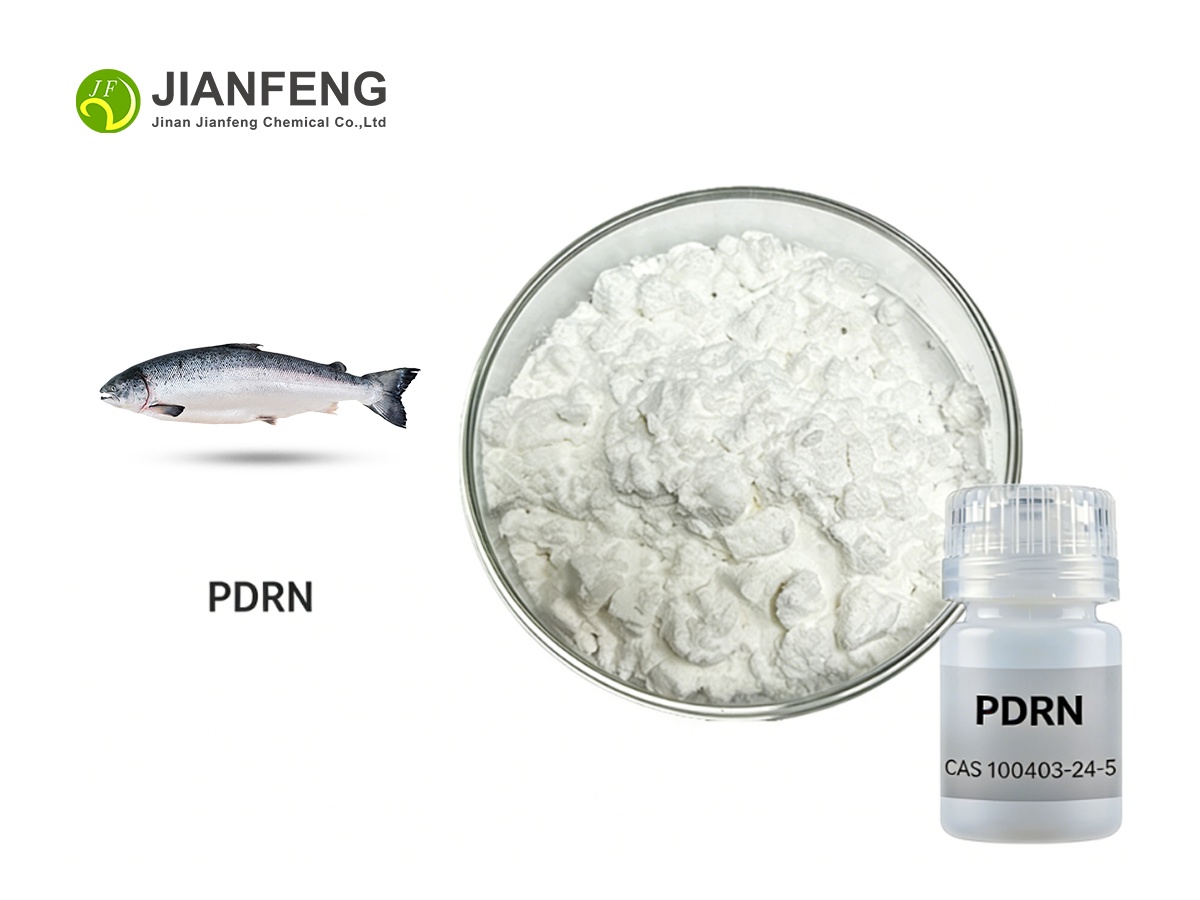
 PDRN PolydeoxyribonucleotidePDRN (Polydeoxyribonucleotide) CAS 100403-24-5 | Salmon pdrn Raw Material Supplier
GHK-Cu Powder (Copper Peptide) | Bulk Cosmetic Peptide Raw Material Supplier
Manufacturing Type: Original Manufacturer
Available: cGMP, ISO, COA, MSDS, TDS
Application: Skincare formulation / cosmetic use
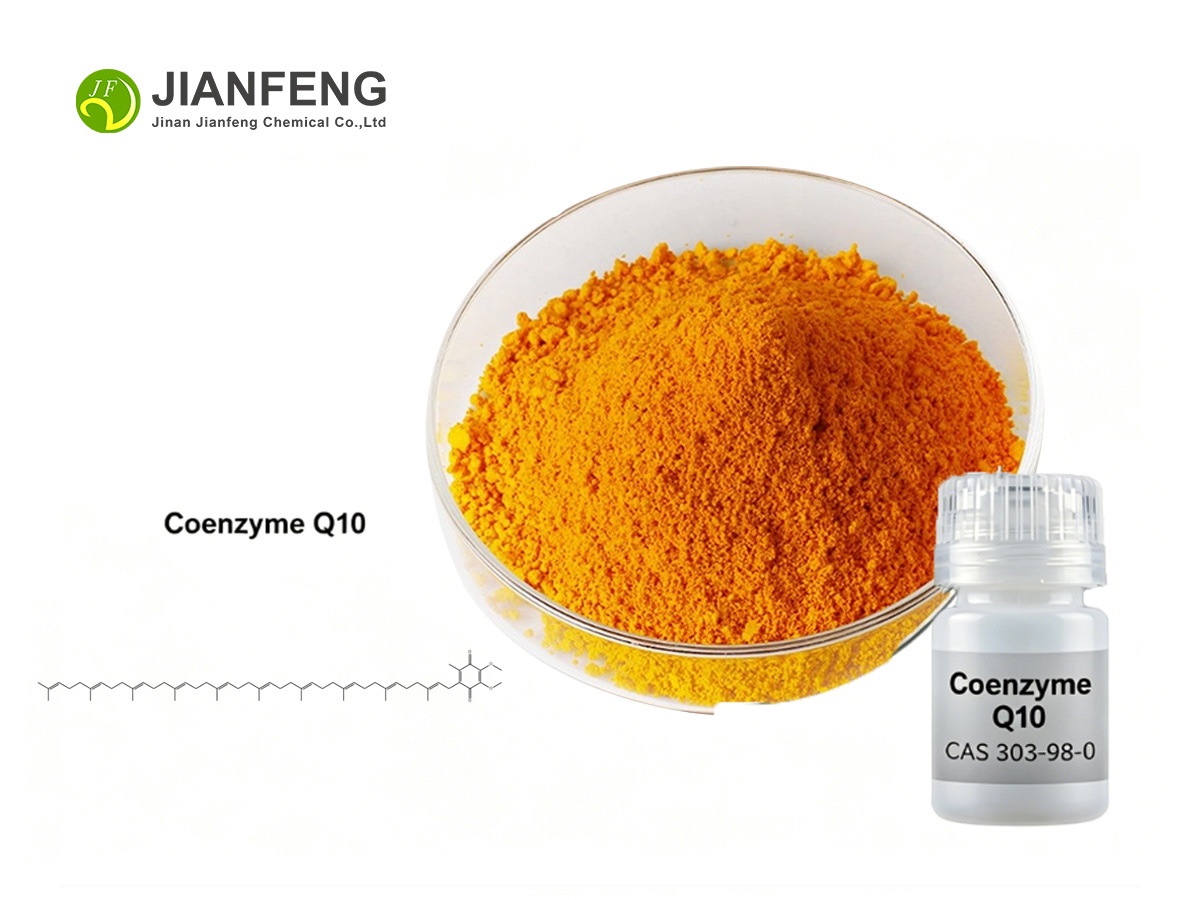
Supplier Services: Wholesale, OEM, Private Label Coenzyme Q10High-purity Coenzyme Q10 powder with 99% purity
Manufacturing Type: Original Manufacturer
Available: cGMP, ISO, COA, MSDS, TDS
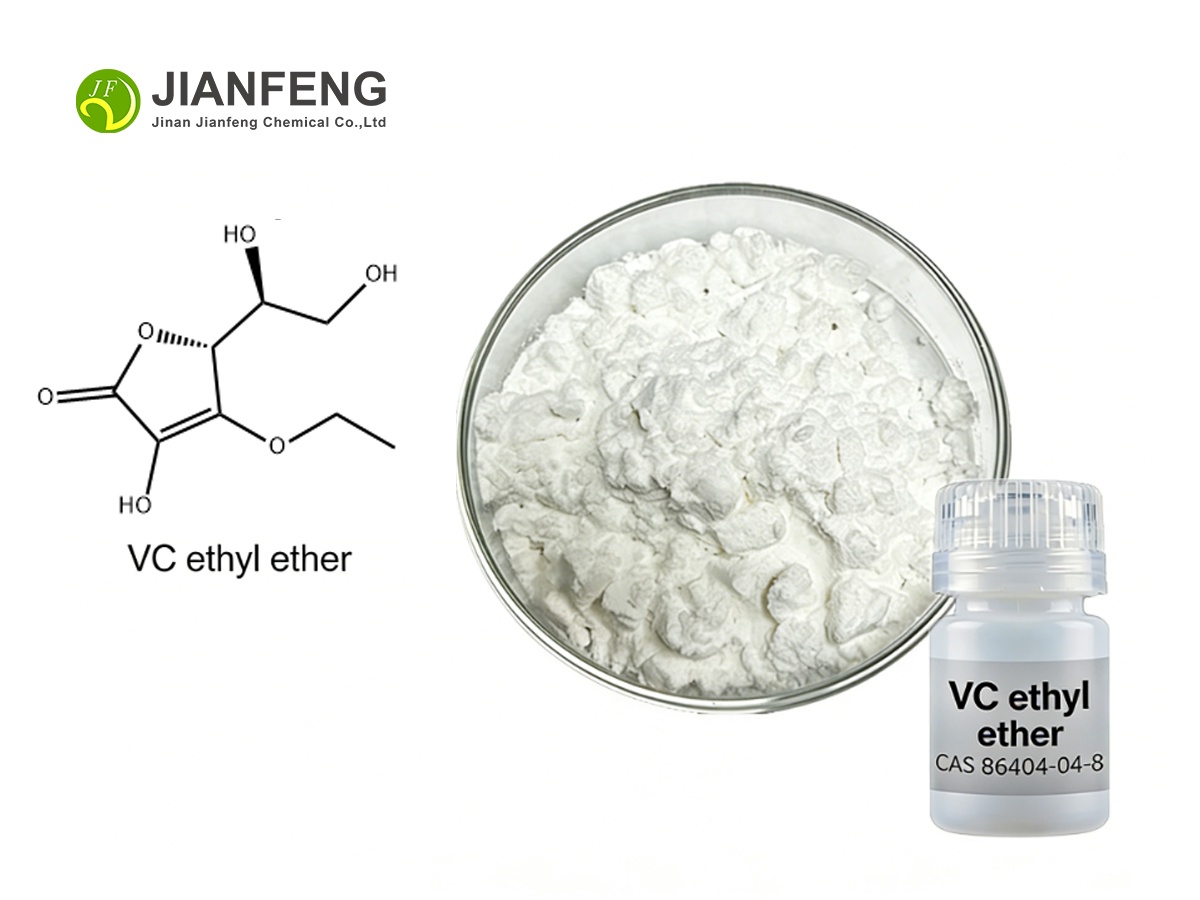
Supplier Services: Wholesale, OEM, Private Label 3-O-Ethyl-L-Ascorbic AcidHigh-purity 3-O-Ethyl-L-Ascorbic Acid Factory
CAS 86404-04-8
Manufacturing Type: Original Manufacturer
Available: cGMP, ISO, COA, MSDS, TDS
Application: nutritional ingredients / cosmetic use
Supplier Services: Wholesale, OEM, Private Label
News
- ▶ Pharma West Africa 2026
- ▶ Paraxanthine Stability in Formulations: Testing pH, Heat, and Storage Effects
- ▶ Buying Sexam Raw Material: Resolve Product Identity Before Comparing Quotes
- ▶ Sexam Laboratory Grade: Confirming Chemical Identity Before Research Use
- ▶ Evaluating a PDRN Manufacturer: Traceability, Capacity, and Batch Consistency
Message
Chemical Engineering Field
24/7 before-sales and after-sales services
Comprehensive technical support