



Why Glabridin Supplier Judgement Changes by Business Scenario
When sourcing Glabridin, COA files and low pricing are not enough for sound qualification.
In fine chemicals, supplier failure often appears later through unstable lots, delayed delivery, weak traceability, or incomplete compliance support.
A better review method examines how a Glabridin supplier performs under different commercial and technical scenarios.
That approach reduces procurement risk, protects downstream formulations, and supports continuity in regulated and non-regulated markets.
Scenario Background: The Same Glabridin Spec May Not Mean the Same Supply Value
Not every Glabridin sourcing case has the same tolerance for variation.
A laboratory screening project may accept smaller batches and flexible packaging.
A commercial skincare launch needs repeatability, documentation depth, and stronger change control.
An export program may place even greater weight on customs documentation, impurity disclosure, and stable lead times.
Because of that, Glabridin supplier evaluation should start with usage scenario mapping, not just price comparison.
Typical Glabridin Sourcing Scenarios and What to Judge
Scenario 1: New Product Development and Pilot Validation
At the development stage, the main question is not only purity.
It is whether the supplier can explain extraction route, batch variation, solvent history, and analytical method consistency.
Ask for retained sample policy, typical chromatograms, and specification evolution records.
These reveal whether the Glabridin source is suitable for future scale-up.
Scenario 2: Commercial Production with Stable Demand
For routine supply, lot-to-lot consistency becomes critical.
Review annual capacity, average batch size, production scheduling, and buffer stock policy.
A low-cost Glabridin quote loses value if lead times shift every quarter.
Also verify packaging control, storage conditions, and shelf-life validation under realistic logistics conditions.
Scenario 3: Export, Registration, or Compliance-Sensitive Supply
In compliance-heavy scenarios, documents must be usable, not merely available.
Check whether the supplier can provide specification sheets, SDS, allergen statements, residual solvent information, and origin traceability.
If a Glabridin supplier struggles to answer technical questionnaires, future market access may slow down.
Responsiveness during qualification often predicts responsiveness during audits and shipment exceptions.
Scenario 4: Dual-Sourcing and Risk Diversification
When building a second source, equivalence matters more than visual similarity on paper.
Compare assay methods, impurity limits, color profile, and processing behavior in the final formulation.
Some teams also benchmark other fine chemical references, such as Methylene Blue Trihydrate, to assess how suppliers manage grades, documentation, and storage discipline across product lines.
That cross-product consistency can indicate whether the Glabridin supplier operates with mature quality systems.
How Scenario Needs Change the Evaluation Standard
Practical Glabridin Supplier Checks for Better Scenario Fit
- Request three recent batch documents, not just one ideal COA.
- Confirm raw material origin and extraction process control.
- Ask how deviations, complaints, and specification changes are managed.
- Review lead time history over several quarters.
- Check whether test methods are in-house, outsourced, or partially validated.
- Verify packaging integrity for heat, moisture, and light sensitivity.
- Assess communication speed for technical and shipping issues.
These checks help determine whether Glabridin supply is truly reliable for the intended application scenario.
Common Misjudgments When Reviewing Glabridin Suppliers
One common mistake is treating a passing COA as proof of production control.
A COA shows a result for one lot, not the full stability of the system behind it.
Another mistake is assuming the cheapest Glabridin price lowers total cost.
Requalification, delayed launches, and batch failures often cost more than the initial savings.
A third gap is ignoring cross-functional evidence.
Shipment records, technical answers, and complaint handling often reveal more than sales quotations.
Some suppliers offering products like Methylene Blue Trihydrate, with purity ≥98%, water solubility, 24-month shelf life, and laboratory or cosmetic grade options, demonstrate stronger documentation habits across fine chemical portfolios.
That broader discipline can support more confident Glabridin qualification.
A Scenario-Based Next Step for Glabridin Qualification
Build a supplier scorecard around the real use scenario before requesting final offers.
Weight criteria differently for development, commercial production, export, and backup supply planning.
For Glabridin, include consistency, traceability, regulatory support, communication quality, and capacity resilience.
Then validate the highest-ranked source with multiple batches and a practical documentation review.
This scenario-based process supports safer decisions, fewer surprises, and a more stable fine chemicals supply chain.
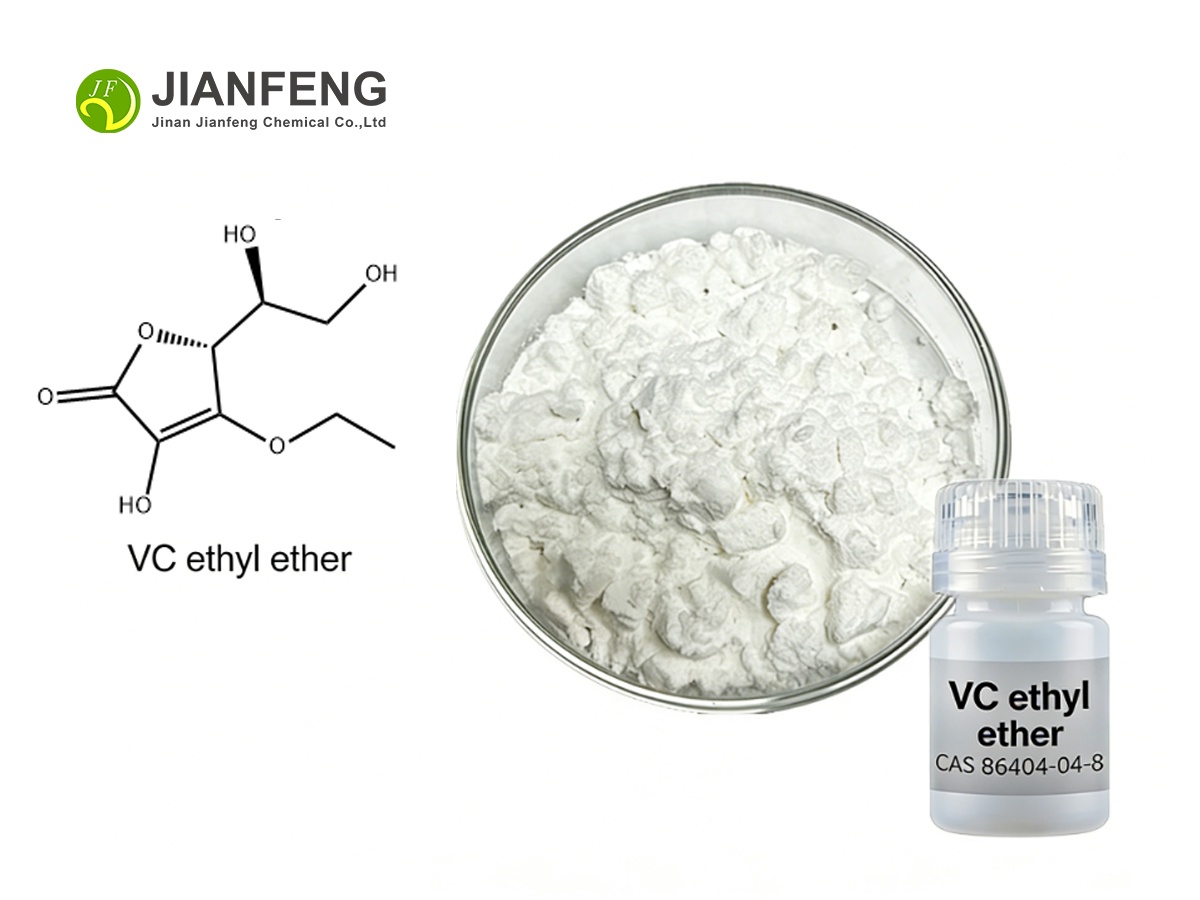
 3-O-Ethyl-L-Ascorbic AcidHigh-purity 3-O-Ethyl-L-Ascorbic Acid Factory
CAS 86404-04-8
Manufacturing Type: Original Manufacturer
Available: cGMP, ISO, COA, MSDS, TDS
Application: nutritional ingredients / cosmetic use
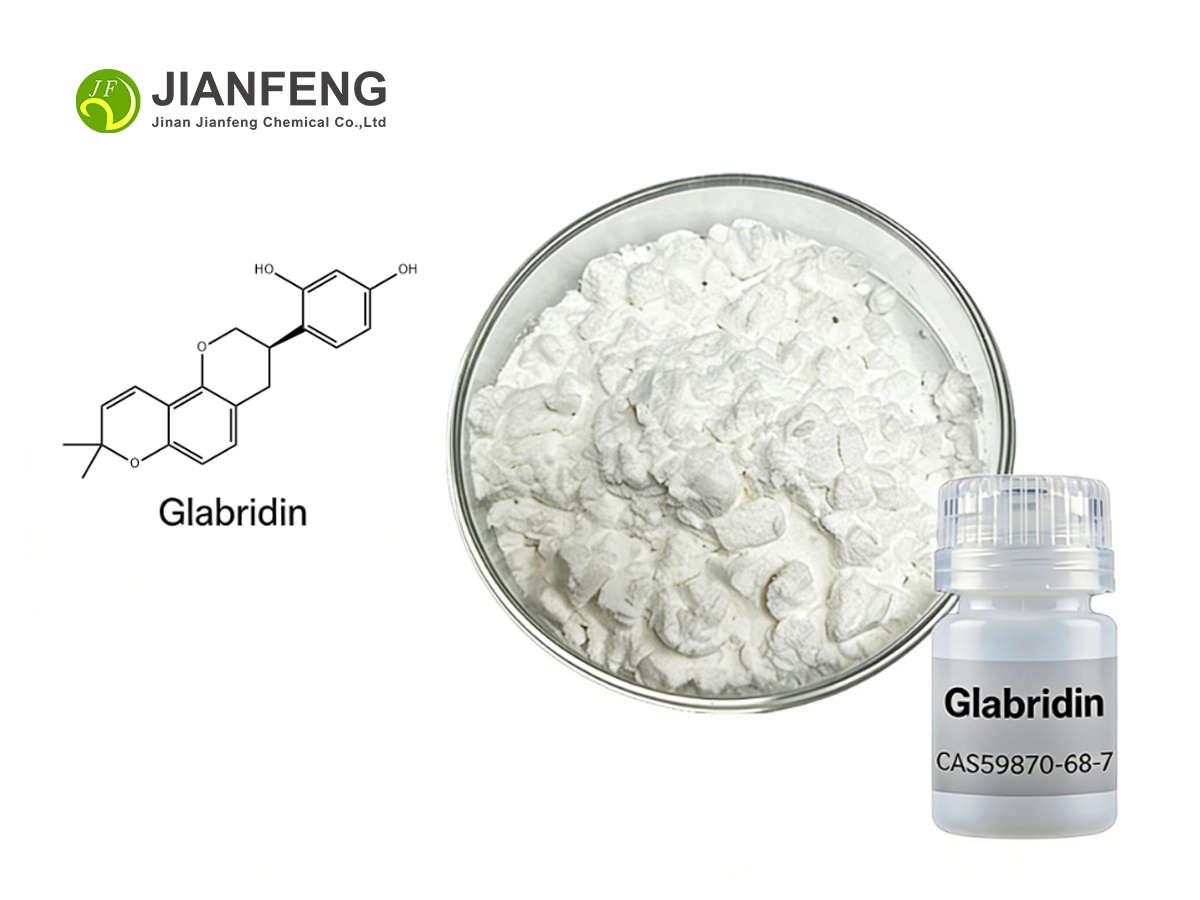
Supplier Services: Wholesale, OEM, Private Label GlabridinGlabridin CAS 59870-68-7 | Natural Cosmetic Raw Material Supplier
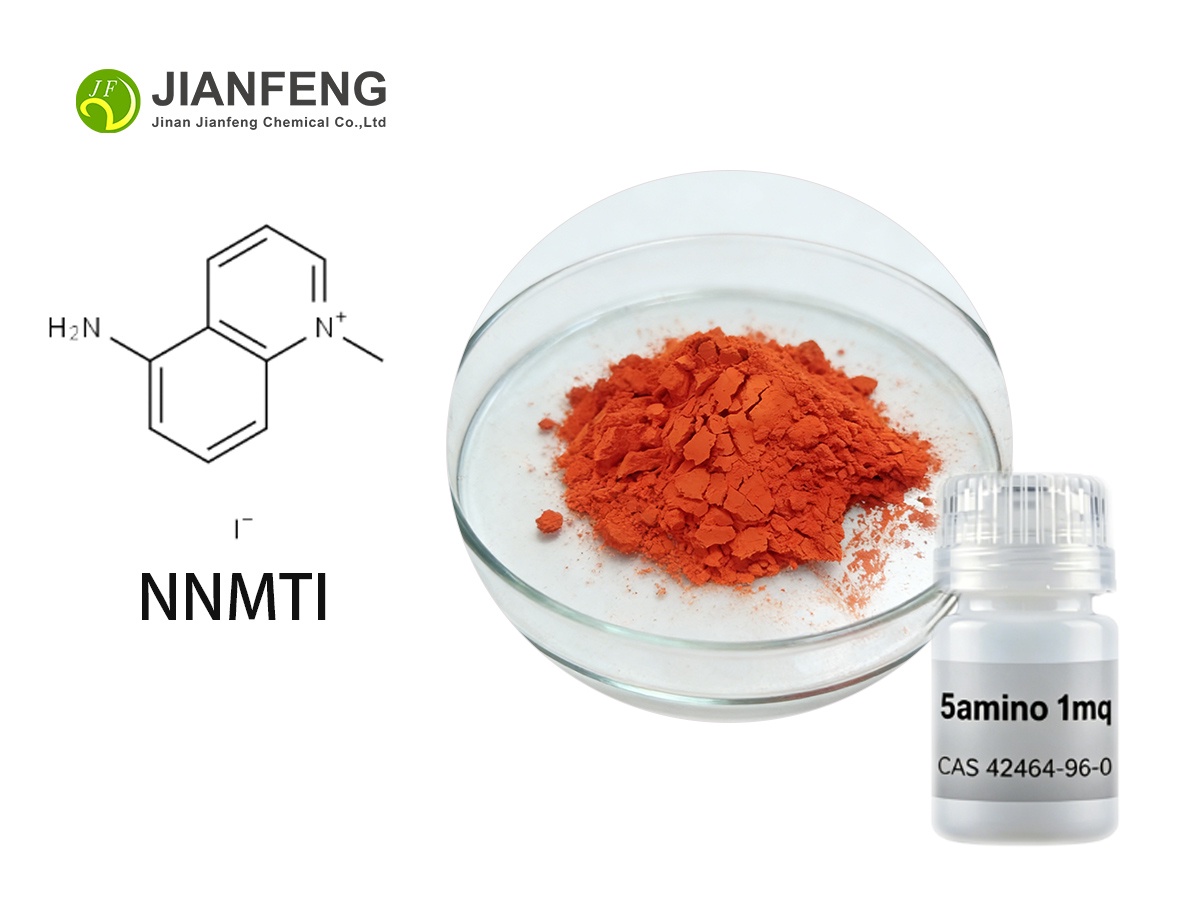
 5 amino 1mq Powder5 amino 1mq Powder | Bulk nnmti Raw Material Supplier
5 amino 1mq with 99% purity
Manufacturing Type: Original Manufacturer
Available: cGMP, ISO, COA, MSDS, TDS
Available as a research-focused raw material
News
Message
Chemical Engineering Field
24/7 before-sales and after-sales services
Comprehensive technical support