



When working with 3-O-Ethyl-L-Ascorbic Acid, preventing formula yellowing has become a more critical quality issue across fine chemicals applications.
Brands increasingly expect stable color, longer shelf appearance, and reliable antioxidant performance in brightening and active care formulations.
That shift means 3-O-Ethyl-L-Ascorbic Acid can no longer be selected only for efficacy. It must also be managed for compatibility, pH control, and process stability.
This guide explains how to use 3-O-Ethyl-L-Ascorbic Acid without formula yellowing, with practical observations on current formulation trends, root causes, and response strategies.
Formula stability expectations are rising around 3-O-Ethyl-L-Ascorbic Acid
In recent years, stability has become a decision point, not just a technical detail, for 3-O-Ethyl-L-Ascorbic Acid formulations.
Clear serums, gel essences, and low-color emulsions leave little room for oxidation haze or early yellowing.
At the same time, active-loaded formulas often combine multiple plant extracts, peptides, acids, and trace minerals.
This broader ingredient stacking increases the chance that 3-O-Ethyl-L-Ascorbic Acid will discolor during processing or storage.
The main trend signal is compatibility risk, not ingredient weakness
Most yellowing issues do not mean 3-O-Ethyl-L-Ascorbic Acid is unstable by default.
They usually result from mismatched pH, metal contamination, oxidizing environments, or incompatible co-actives.
This is an important trend signal in fine chemicals: formulation systems are becoming more complex than the active itself.
As a result, operators now evaluate 3-O-Ethyl-L-Ascorbic Acid through a full-system stability lens.
What is driving this shift
The pH window remains the first control point for reducing yellowing
For 3-O-Ethyl-L-Ascorbic Acid, pH is often the first variable to review when discoloration appears.
A mildly acidic environment usually supports better appearance and more predictable stability than an alkaline system.
In practice, many formulators keep 3-O-Ethyl-L-Ascorbic Acid around pH 4.0 to 6.0, then refine by matrix testing.
Below or above the target range, hydrolysis, oxidation, or unwanted interactions may accelerate visible yellowing.
Practical pH observations
- Avoid strong alkaline neutralization after adding 3-O-Ethyl-L-Ascorbic Acid.
- Check final bulk pH after all additives, not just the water phase.
- Monitor pH drift during accelerated storage, not only at day one.
- Use buffered systems carefully when multiple acidic ingredients are present.
Raw material pairing has become the hidden factor in 3-O-Ethyl-L-Ascorbic Acid performance
Another major trend is that yellowing often starts with raw material interactions rather than the vitamin C derivative alone.
Trace iron, copper, botanical polyphenols, reactive amines, and unstable fragrances can all influence color development.
This makes compatibility screening essential whenever 3-O-Ethyl-L-Ascorbic Acid enters a new base formula.
Ingredients that deserve extra attention
- Metal-containing salts or contaminated process water.
- High-color botanical extracts with unstable phenolic fractions.
- Strong oxidants or peroxide residues in raw materials.
- Reactive amino compounds that darken under heat.
- Fragrance systems sensitive to acidic active environments.
In broader active formulation work, the same compatibility mindset applies to other sensitive ingredients, including Paradol Powder.
Although used in different application directions, its documented purity, storage control, and technical files reflect the same need for disciplined raw material management.
Processing conditions now influence yellowing more than many teams expect
Even with the right pH and ingredients, poor process control can still destabilize 3-O-Ethyl-L-Ascorbic Acid.
Heat, long exposure to air, and extended mixing under high shear may increase oxidation pressure.
Adding 3-O-Ethyl-L-Ascorbic Acid at a lower temperature stage often helps preserve appearance.
Using deionized water, clean vessels, and minimized headspace also supports better color retention.
Recommended processing habits
- Dissolve 3-O-Ethyl-L-Ascorbic Acid completely before final blending.
- Add it after high-heat emulsification whenever possible.
- Limit contact with copper or iron surfaces.
- Use antioxidants or chelating agents only after compatibility testing.
- Run accelerated and real-time color checks on pilot batches.
The impact reaches development, production, and shelf performance
For development teams, yellowing creates reformulation loops and slower commercialization.
For production, it increases batch variation risk and complicates release standards.
For finished products, visible color drift may affect user trust, even when active content still remains acceptable.
This is why 3-O-Ethyl-L-Ascorbic Acid should be managed as both a performance active and a visual stability variable.
The most important points to monitor from now on
- Keep 3-O-Ethyl-L-Ascorbic Acid within a validated pH range.
- Screen every new extract, fragrance, and co-active for color impact.
- Control metal ions through water quality and equipment selection.
- Reduce thermal and oxygen stress during manufacturing.
- Confirm long-term appearance with stability studies, not assumptions.
A practical response path for more stable 3-O-Ethyl-L-Ascorbic Acid formulations
If yellowing persists, revisit the entire system instead of only adjusting the dosage of 3-O-Ethyl-L-Ascorbic Acid.
Often, the real solution is cleaner compatibility design, not simply lowering active strength.
A disciplined, data-based approach will help 3-O-Ethyl-L-Ascorbic Acid deliver both performance and a more stable visual profile over time.
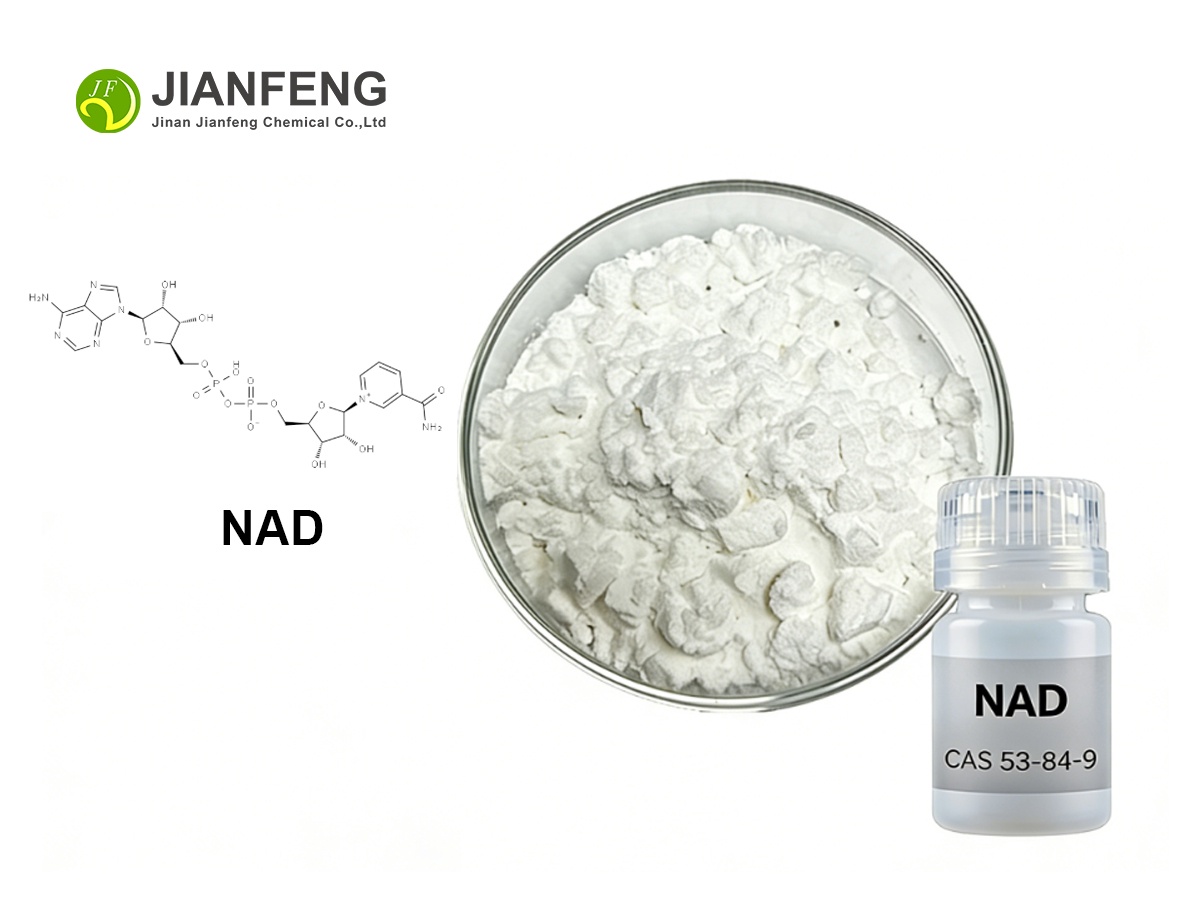
 NADNAD+ (Nicotinamide Adenine Dinucleotide) CAS 53-84-9 | NAD+ Raw Material Supplier
Manufacturing Type: Original Manufacturer
Available: cGMP, ISO, COA, MSDS, TDS
Application: nutritional ingredients / cosmetic use
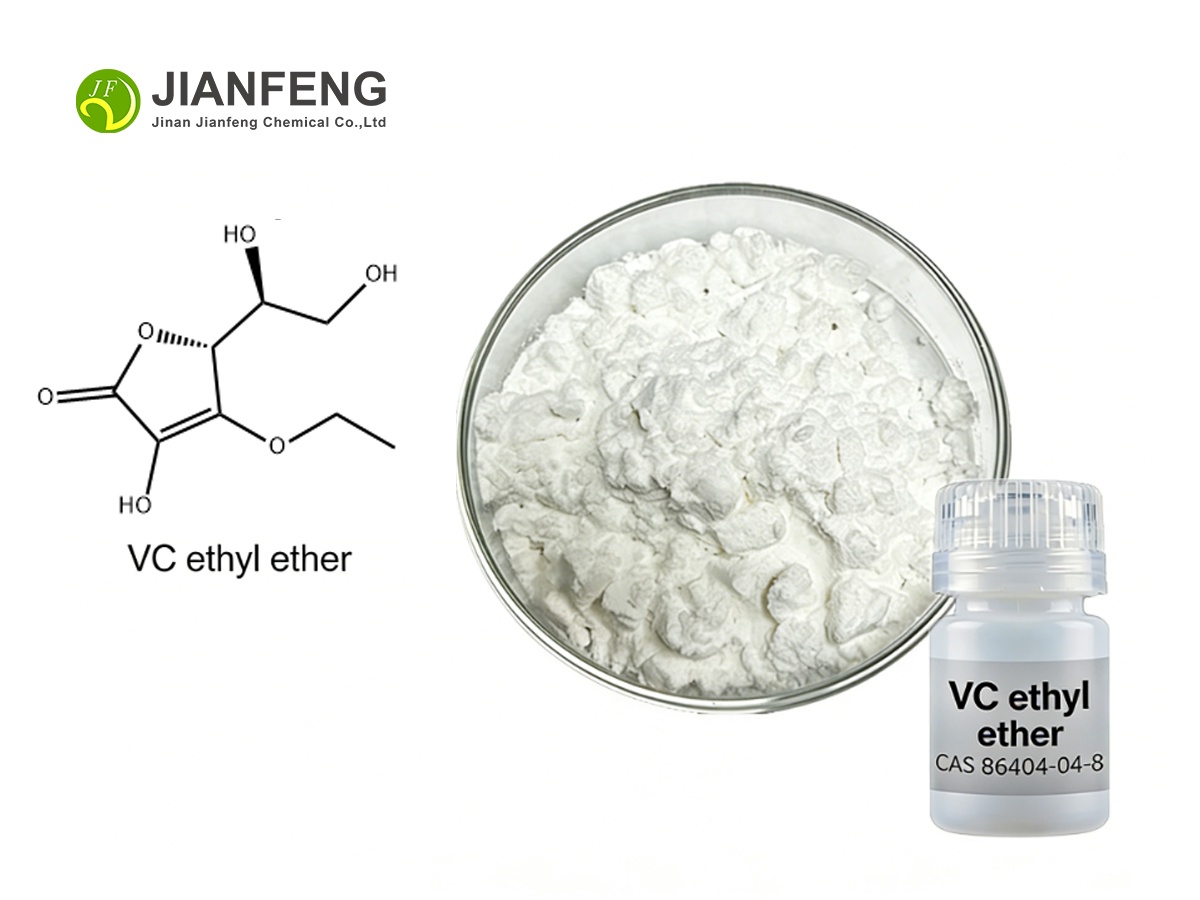
Supplier Services: Wholesale, OEM, Private Label 3-O-Ethyl-L-Ascorbic AcidHigh-purity 3-O-Ethyl-L-Ascorbic Acid Factory
CAS 86404-04-8
Manufacturing Type: Original Manufacturer
Available: cGMP, ISO, COA, MSDS, TDS
Application: nutritional ingredients / cosmetic use
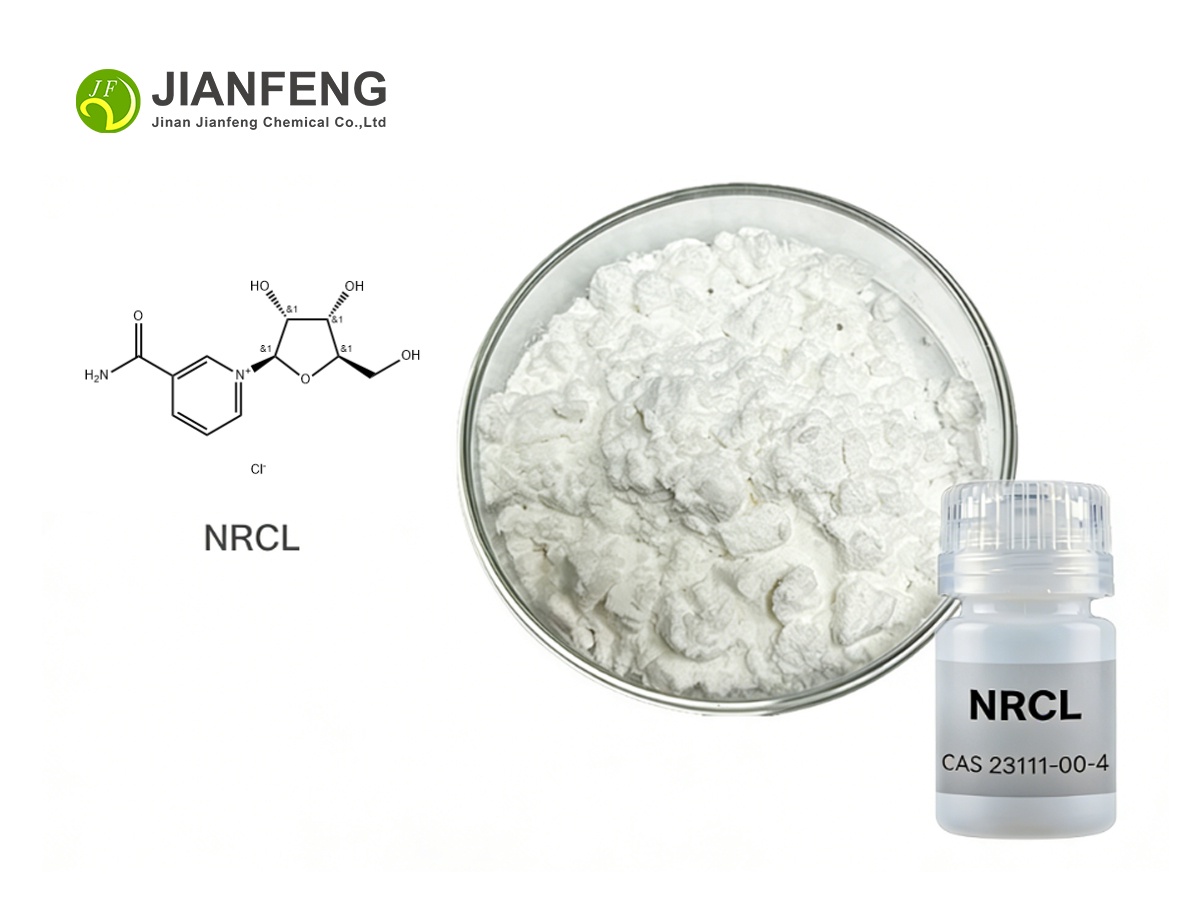
Supplier Services: Wholesale, OEM, Private Label Nicotinamide Riboside ChlorideNicotinamide Riboside Chloride Powder
CAS 23111-00-4
High Purity Nutraceutical Ingredients
Manufacturing Type: Original Manufacturer
Available: cGMP, ISO, COA, MSDS, TDS
Application: Skincare formulation / cosmetic use
Supplier Services: Wholesale, OEM, Private Label
News
Message
Chemical Engineering Field
24/7 before-sales and after-sales services
Comprehensive technical support